· Dave Mathias · Ideas · 4 min read
Data Storytelling When the Machine Writes the First Draft
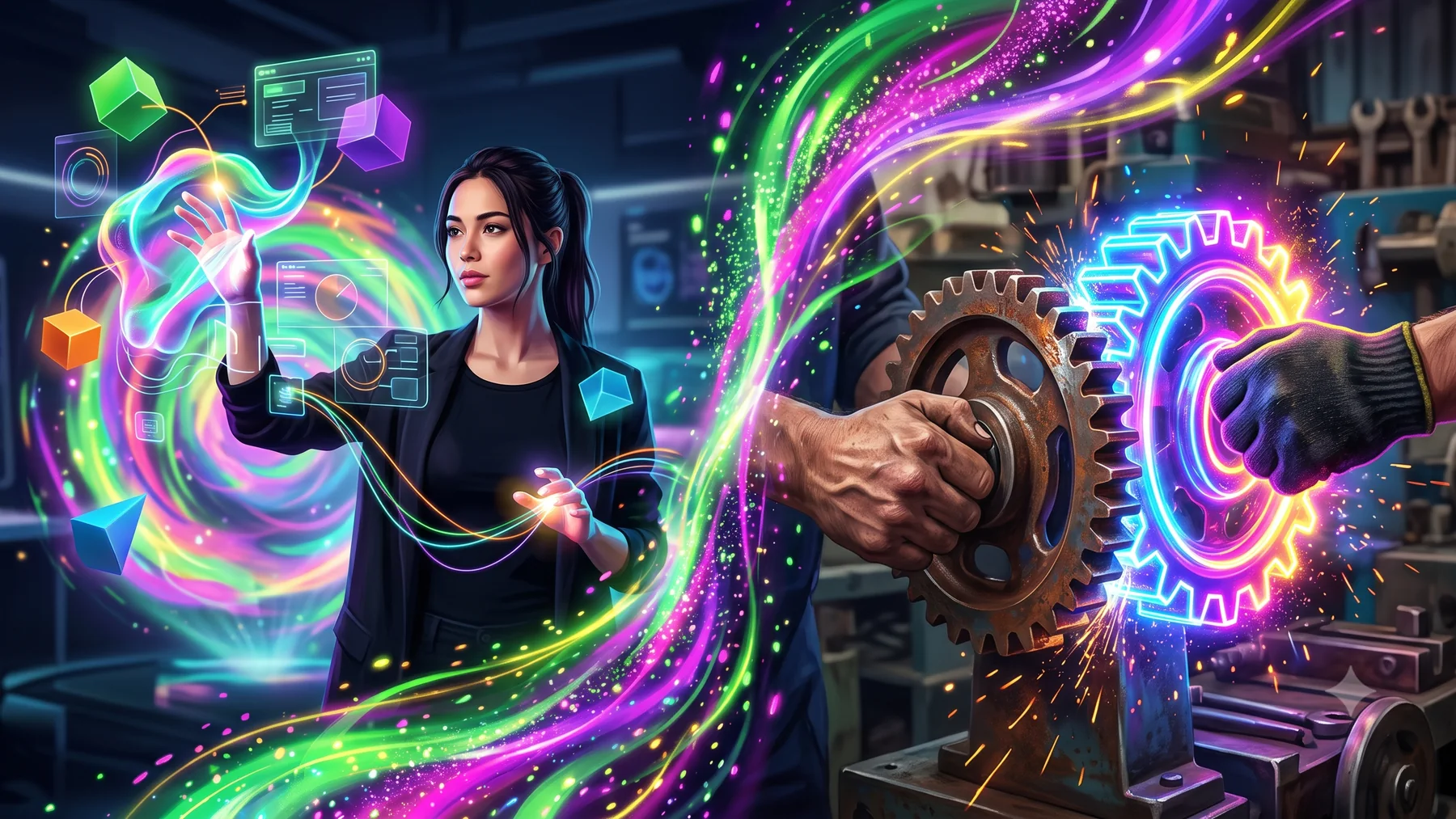
AI can now summarize your dashboard in seconds. That makes data storytelling more important, not less. Here's what changes for analysts and product teams when the machine writes the first draft.
I wrote a book about data storytelling before generative AI could write a competent executive summary of your quarterly dashboard in eleven seconds. So people ask me, with varying degrees of politeness, whether the skill still matters. My answer is that AI just made data storytelling more valuable, and the people who misunderstand why are about to flood their organizations with the most confident bad narratives in corporate history.
Here is the shift in one sentence: the machine now writes the first draft, and the first draft was never the hard part.
What the machine is actually good at
Credit where due. Modern AI is genuinely strong at the mechanical layer of data communication: describing what a chart shows, summarizing a table, flagging the outlier, drafting the paragraph. Work that used to consume an analyst’s Thursday now takes minutes. If your job was converting numbers into grammatically correct sentences, that job is largely gone, and pretending otherwise helps no one.
But go read a stack of AI-generated data summaries, and a pattern emerges. They are fluent, structured, and weirdly hollow. Every movement in the data gets narrated with equal enthusiasm. Revenue up 3 percent gets the same energy as churn doubling. The summary tells you what happened everywhere and what matters nowhere, because mattering is not in the data. Mattering lives in context the model does not have: what the CEO promised the board, which customer is wobbling, what decision is on the table next Tuesday.
That is the difference between description and storytelling. Description answers “what does this data say?” Storytelling answers “what should this specific audience do because of it?” AI collapsed the cost of the first question. The second one just became your whole job.
The new failure mode: confident wrongness at scale
There is a darker version of this that I now watch for in every organization adopting AI analytics tools. The old failure mode of data communication was absence: insights trapped in dashboards nobody read. The new failure mode is worse: fluent narratives, generated instantly, wrapped around analysis nobody validated.
A polished paragraph triggers different instincts than a raw chart. A chart invites scrutiny; people lean in, squint, argue about the axes. Prose invites belief. When the machine hands your VP three confident sentences about why conversion dropped, the sentences feel like conclusions even when they are guesses. I have seen AI summaries assert causation from correlation, average away a bimodal disaster, and narrate a data quality error as a business trend, each time in prose smooth enough to sail through a leadership meeting.
The storyteller’s role therefore inverts. You used to add the narrative to the numbers. Now you interrogate the narrative on behalf of the numbers. Different verb, higher stakes.
What I now teach
When I teach data storytelling now, whether to my university students or to client teams, the curriculum has reorganized around three moves.
Frame before you generate. The most leveraged minutes happen before the AI runs: deciding the question, the audience, and the decision at stake. “Summarize this dashboard” produces mush. “The exec team decides Thursday whether to extend the pricing test; what in this data should change that call?” produces something worth editing. The frame is the story; the machine just upholsters it.
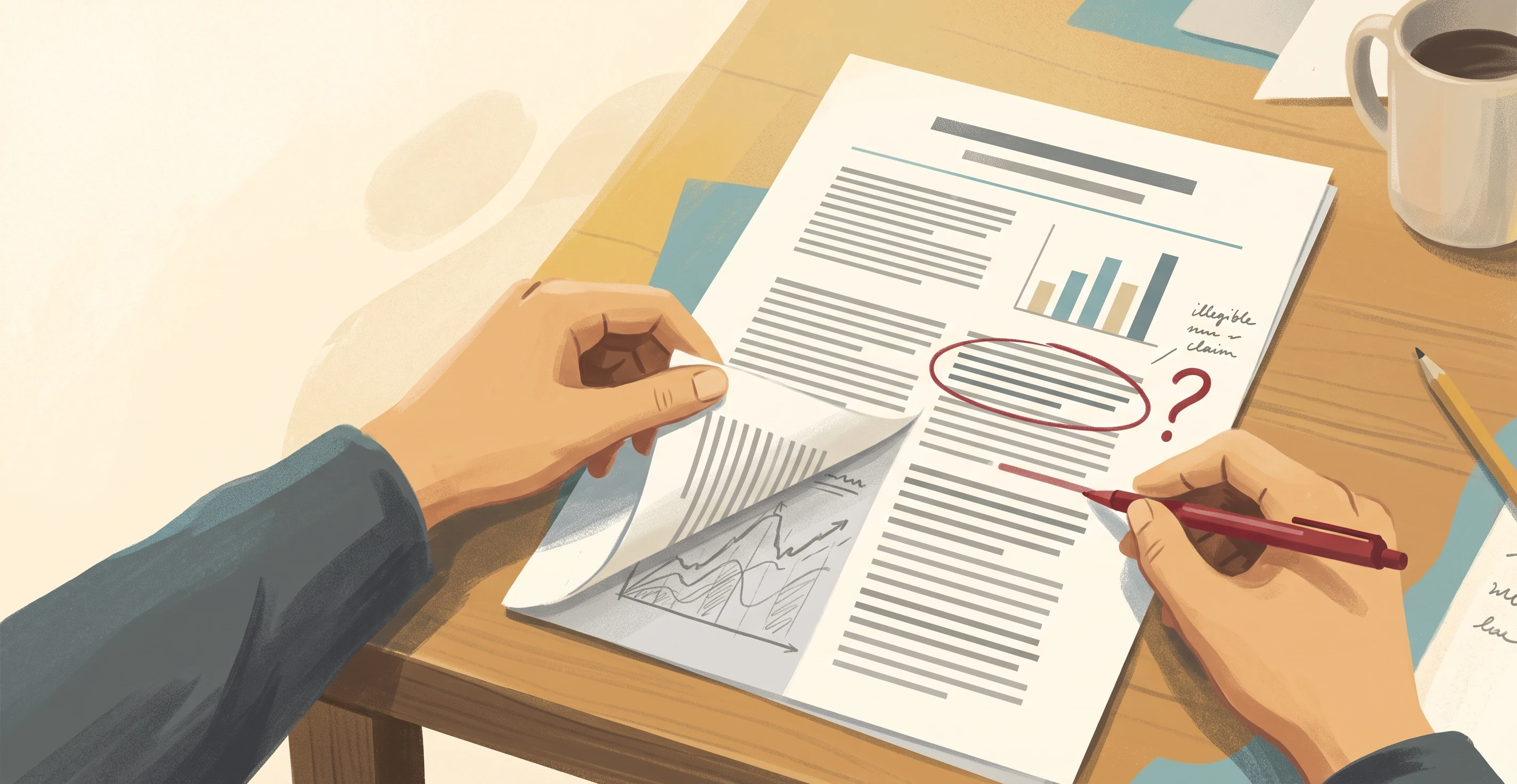
Audit like an editor, not a reader. Treat every AI draft as testimony from a bright junior analyst who has never met your company: plausibly right, unaware of context, occasionally inventing things with total confidence. Check the claims against the source data. Ask what the draft ignored, because omission is where machine summaries fail most quietly.
Keep the human moment human. The point of data storytelling was never the artifact. It was the moment a room full of people with different incentives reaches shared understanding and commits to a decision. That moment still requires someone who knows the audience, reads the resistance, and stands behind the recommendation. No model attends that meeting for you.
The machine writes the first draft now. Whoever owns the last draft owns the decision. Make sure that is still you.
Dave Mathias is the author of Data Storytelling and Translation and teaches product management and analytics at the Carlson School of Management. Want a workshop on AI-era data storytelling for your team? Get in touch.
- AI
- Data storytelling
- Analytics