
· Dave Mathias · Ideas · 4 min read
Contrarian Thinking Is a Discipline Not a Personality
The goal is not more disagreement. It is better decisions made before agreement becomes automatic.
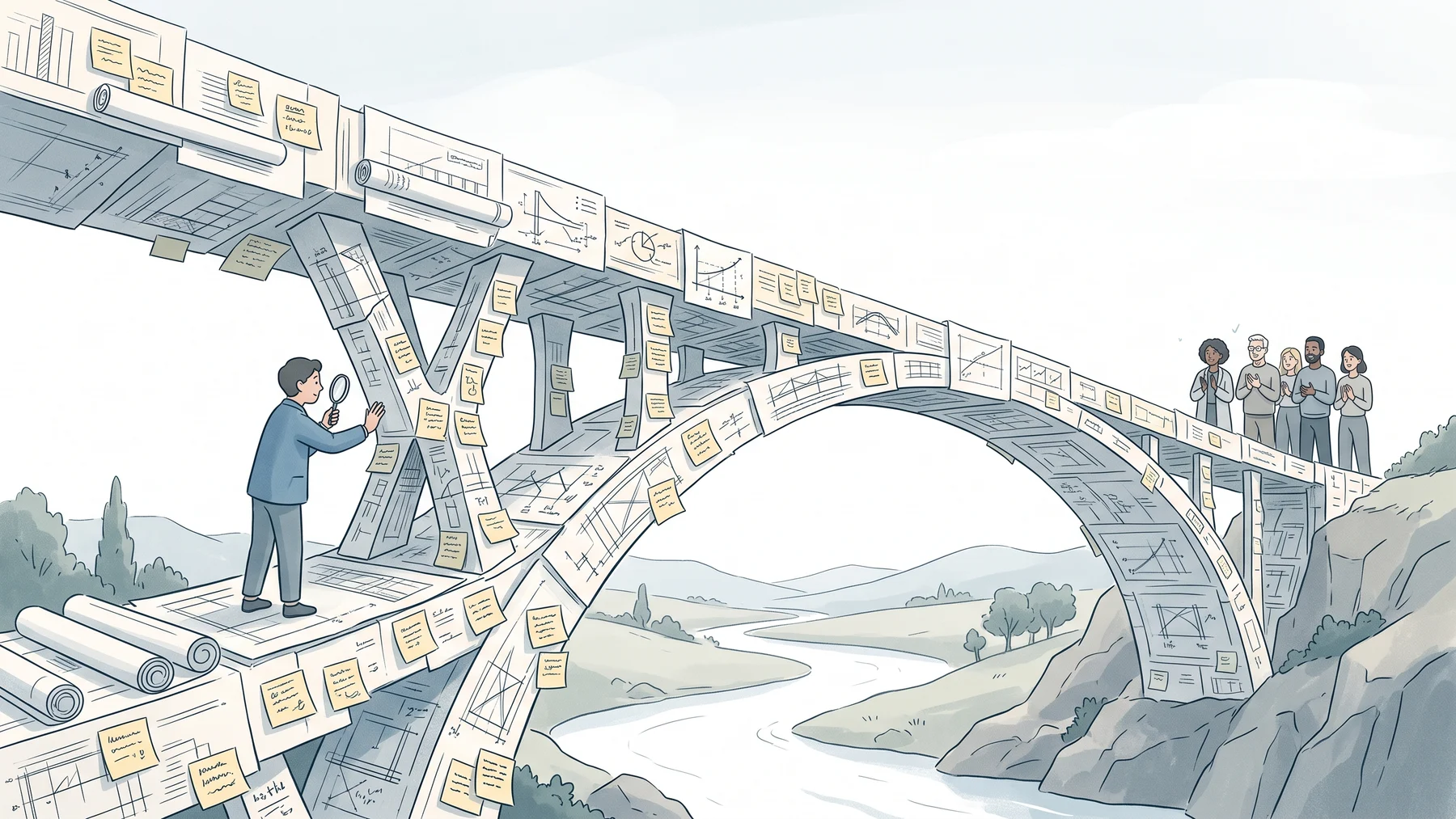
Groupthink rarely announces itself. It sounds like alignment.
A leadership team reviews a proposal. The logic is clean. The numbers support it. The most senior person speaks early, and each comment makes the plan feel more settled. Three months later, the assumptions that could have changed the decision are obvious.
The problem was not a lack of smart people. It was a decision process that made agreement easier than examination.
Contrarian thinking can interrupt that pattern. Done well, it helps a group see what it is missing before the market, a customer, or a failure points it out. Done poorly, it becomes theater: one person arguing against every idea so the room can claim it considered another view.
The goal is not more disagreement. It is better decisions.
Contrarian does not mean contrary
A useful contrarian is not committed to being the person who says no. They are committed to testing the story the group is telling itself.
That requires more than offering an opposite opinion. Ask which assumption carries the most weight. Look for evidence the group has dismissed too quickly. Consider who benefits if the decision is right and who pays if it is wrong. Name what would have to be true for the less popular option to win.
Good contrarian thinking makes the leading argument stronger, even when it does not change the decision. If the idea survives a serious challenge, the team understands why. If it changes, the challenge did its job.
This is why tone matters. Curiosity opens a decision. Performance closes it. Compare “What are we assuming about customer behavior?” with “Nobody here understands the customer.” The first invites examination. The second starts a fight about status.
Build the strongest case before you challenge it
Before arguing against a proposal, state the best version of it. Explain why a reasonable person would support it. Confirm that the people advocating for it recognize their view in your summary.
Only then challenge it.
This small discipline prevents teams from debating a weak version of an idea. It also proves that disagreement is grounded in understanding rather than instinct. You may still reach the same conclusion, but the room is more likely to listen because you showed that you listened first.
Separate what the team knows from what it believes. A customer pattern, a forecast, an executive preference, and a competitor move may all matter, but they are not the same kind of evidence. Labeling them shows where a different view could change the choice.
Make dissent part of the process
Organizations cannot depend on one brave person to challenge the room. The process has to make dissent expected and safe.
Start before the meeting. Ask people to write their view before they hear the leader’s position. Shared too early, authority becomes an anchor. Independent thinking gives the group more than one starting point.
Assign someone to test the recommendation, but rotate the role. A permanent skeptic becomes easy to ignore. A rotating role makes challenge a responsibility rather than an identity.
Ask for the case against the preferred option and the conditions that would change the decision. Record both. Six months later, the organization should see what it decided, which risks it accepted, and what should trigger another look.
Leaders also need to go last when they can. If the person with the most authority gives an answer first, others will edit themselves, often without realizing it. Going last does not give away decision rights. It protects the quality of the input used to decide.
Reward useful challenge
People notice what happens to dissenters. If thoughtful challenge is treated as disloyalty, the next meeting will be quieter. If leaders thank the person, examine the evidence, and explain the decision, others learn that disagreement has a legitimate place.
That does not mean every objection gets equal time or every decision waits for consensus. A healthy process separates voice from veto. People deserve a chance to influence the choice. The accountable decision-maker still has to decide.
Contrarian thinking works when it improves the choice, not when it wins the room. The test is simple: Did the challenge expose an assumption, add evidence, clarify a risk, or change what the team will watch next? If it did, it mattered, even when the decision stayed the same.
One Good Question
What would someone in your organization have to risk to tell the room that its preferred answer might be wrong?
- Decision making
- Leadership
- Critical thinking
- Organizational culture
Newsletter
Get Good Option
Product decisions, customer learning, and practical AI. Every other Tuesday.